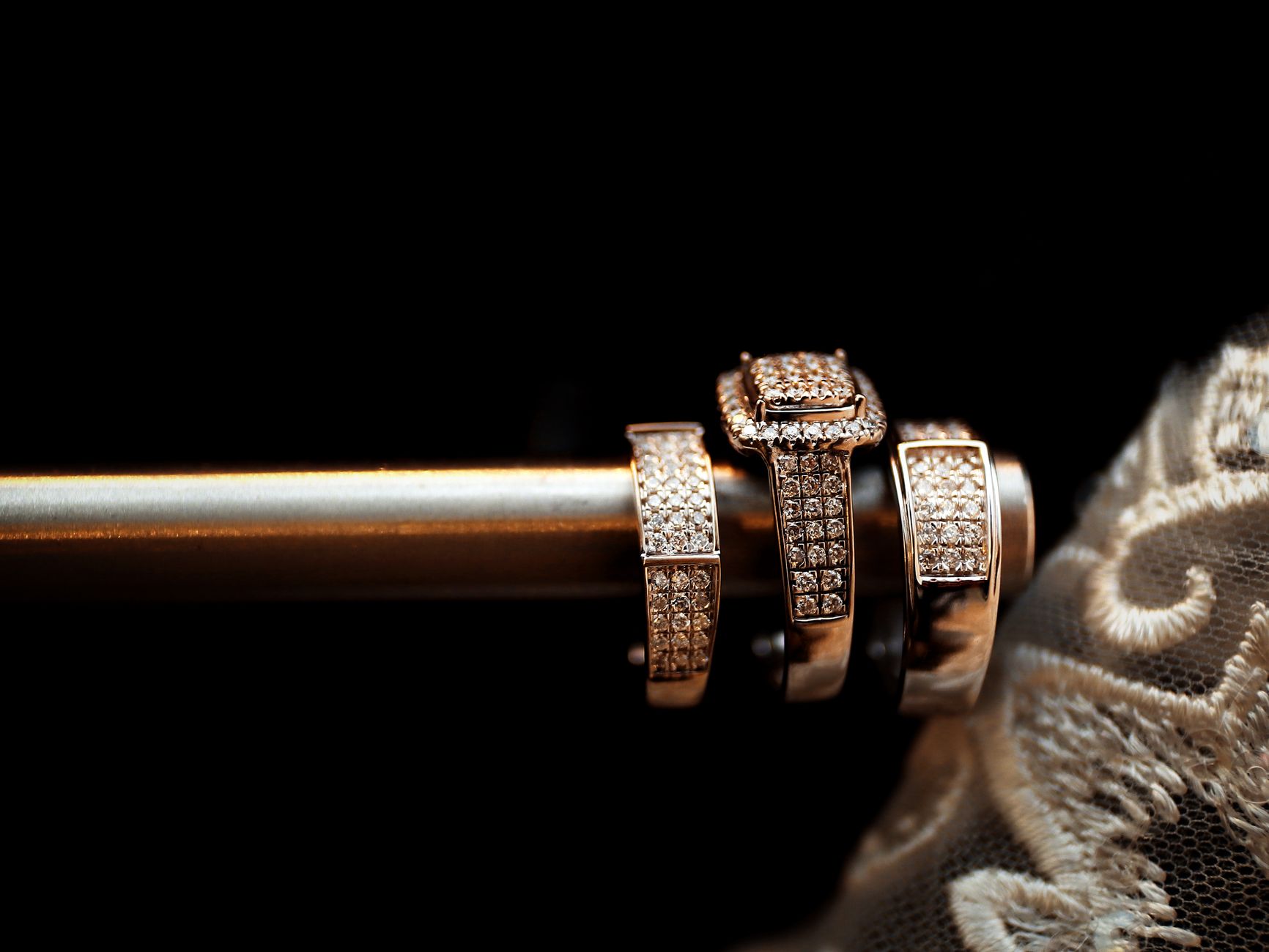
A beautiful piece starts with how it feels to wear. Understanding its materials helps you choose something that fits your habits as well as your style. Our starting point is the description of the individual piece: its metal, finish and stone should be considered together.
Read beyond the color
A gold-colored surface does not tell you everything about the metal beneath it. Solid gold, gold vermeil and other gold-plated finishes are different constructions. Where a piece has a surface finish, that finish can wear with friction and use. Look for the base metal and care instructions in the product details.
Sterling silver offers a different look and develops tarnish over time. That change in appearance is one reason material-specific care matters. A cleaning method intended for uncoated silver may not suit a piece with plating or delicate stones.
What recycled gold means
Recycled gold describes the source of the metal, rather than a particular color or style. It is gold recovered for use again. A recycled-content statement is useful, but it does not by itself explain every step of a finished piece's supply chain. Look for information about the individual product rather than assuming one claim applies to an entire collection.
Get to know the stone
Stone names matter. Cubic zirconia and lab-grown diamond are different materials, even when both offer a clear sparkle. The phrase “lab-grown” alone does not name a stone. Read the full description and ask for clarification when it is missing.
Choose for your everyday
Think about how often you will wear a piece, how it sits against your skin and whether you are comfortable with its care routine. A favorite necklace worn occasionally has a different life from a ring that meets a desk, bags and door handles every day.
For us, a considered choice begins with a closer look. Use each product's material details as your guide, and keep them for future cleaning or repairs.